Loading... Please wait!

Revolutionizing Investing: The Tokenization of Real-World Assets

Have you ever considered possessing a digital piece of the most stunning structure in New York City? Discover how this investment opportunity functions!!

A Modern Approach to Global Real Estate Investment

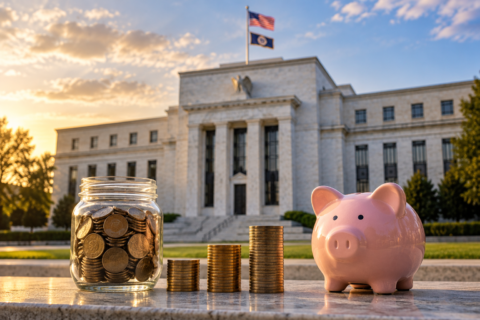
Picture investing in a $5 million masterpiece, a small part of a Californian farm, or a share of a Manhattan skyscraper.

Understand the revolution in investing. Photo by Freepik.

What Exactly is Asset Tokenization?

Tokenization involves converting a physical asset into digital tokens that can be traded on blockchain platforms.

Each token stands for a portion of the actual asset and includes all its rights and responsibilities.

Why Is This a Game Changer?

This innovation is about removing obstacles. Typically, investing in high-value assets demands significant capital, plus time, connections, and middlemen like banks and brokers.

Tokenization shifts the paradigm by

  • Opening investment doors previously closed to the elite;
  • Boosting liquidity for assets that were hard to trade;
  • Lowering costs by cutting out unnecessary middlemen;
  • Making investments worldwide and accessible to everyone with an internet connection.

Platforms such as Securitize, RealT, and Tokeny are already facilitating access to tokens for real estate, startups, private debt, and even commodities.

The U.S. Landscape: A New Era

The U.S. is at the forefront of embracing this innovative landscape, with regulations starting to evolve.

In Miami, an entire residential building was tokenized and fractionalized through blockchain. Meanwhile, in New York, private equity firms are converting their funds into tokens to broaden their investor reach.

Assets That Are Being Tokenized

Tokenization can be utilized across various types of assets. Some notable examples are

  • Residential and commercial properties
  • Artworks and collectibles
  • Gold, silver, and other metals
  • Debt instruments and securities
  • Environmental credits and assets
  • Agricultural goods and infrastructure

How Does It Operate in Real Life?

Let’s envision a situation:

A property located in Austin, Texas, is appraised at $10 million. The company that owns it opts to tokenize the asset, splitting it into 100,000 tokens.

Each token, valued at $100, represents a fractional ownership of the property. These tokens are created on a blockchain such as Ethereum or Polygon.

Investors globally acquire these tokens, storing them securely in their digital wallets.

Returns from rental income or property appreciation are shared among token holders based on their ownership, who can also sell or trade their tokens anytime on secondary markets.

This entire process is transparent, verifiable, and utilizes smart contracts to automate many functions.

What Are the Advantages for Everyday Investors?

  • Low initial investment
    You no longer need to be wealthy to access elite investment options.
  • Enhanced portfolio diversification
    You can invest in various assets, including real estate and art, all from home.
  • Liquidity and adaptability
    Tokens can be traded more freely than traditional assets.
  • Transparency and safety
    Blockchain ensures all transactions are recorded openly and immutably.
  • Returns in dollars
    For global investors, this simplifies access to dollar-based assets.

However, Challenges Remain…

Even with its promise, the tokenization of tangible assets encounters various obstacles:

  • Regulatory ambiguity:
    Rules surrounding digital securities are still evolving, leading to uncertainty for both issuers and investors.
  • Need for market education:
    Many individuals still lack understanding of how tokens operate and the associated risks.
  • Initial liquidity limitations:
    The market is still developing, and secondary trading may be restricted.
  • Costs of compliance:
    Even with fewer intermediaries, serious projects must adhere to KYC, AML, and securities laws.

Fortunately, with the U.S. SEC (Securities and Exchange Commission) indicating progress in regulations and significant institutions beginning to participate, the road to maturity looks promising.

Understanding Smart Contracts

Smart contracts are a pivotal component of tokenization. These self-executing codes establish the guidelines for investments, profit sharing, governance, and asset redemption.

They help to eliminate human mistakes, reduce fraudulent activities, and accelerate processes that are typically lengthy and costly.

admin
Written by

admin