
Loading... Please wait!

Embracing Change: Navigating the New Landscape of Savings

How to Approach Savings in 2025

In America, saving has always been viewed as both a noble goal and a significant challenge, particularly in a society driven by consumerism and easy credit that often sidelines the importance of savings.

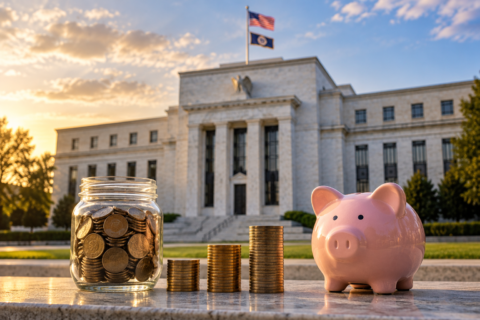
How do you manage your savings? Photo by Freepik.

Yet, in recent years, various economic, technological, and cultural shifts have been creating a new landscape: saving has evolved from being a wise choice to an essential need for countless families.

How Economics Shape Saving Trends

Historically, Americans have not been known for their high savings rates—in fact, the opposite is true. Following the 2008 financial crisis, the personal savings rate in the U.S. nearly hit rock bottom.

With easy credit and a belief in sustained economic growth, many opted to spend rather than save.

However, a series of crises altered this mindset, highlighting the vulnerability of families in debt without savings and prompting many to reassess their financial habits.

Most recently, the COVID-19 pandemic underscored this necessity further: millions faced job losses or income reductions, and those lacking savings found it extremely difficult to maintain their usual living standards.

The Role of Technology in Financial Management

One key element that has significantly changed how Americans save is the rise of digital technology.

Apps for managing finances, online banks, and digital wallets have established a new environment where saving is not only simpler but can also be automated.

Services like Acorns and Chime provide automatic saving options, rounding up purchases and investing the spare change.

Additionally, tools like Mint assist users in tracking their spending, managing budgets, and spotting saving opportunities.

The Evolving Job Market and Savings

The job landscape in the U.S. is also shifting dramatically, highlighted by the rise of the gig economy, which focuses on freelance and temporary work.

Gig workers, freelancers, and delivery personnel often lack access to conventional benefits like retirement plans or employer-provided health insurance.

Financial Literacy: A Cornerstone of Today

The absence of financial literacy has been a persistent concern in the U.S., particularly for younger individuals.

Nonetheless, this situation is shifting, with educational institutions beginning to implement foundational financial literacy programs alongside private initiatives aimed at raising awareness.

Platforms like TikTok, YouTube, and Instagram also play a crucial role, disseminating valuable financial content.

Financial literacy not only emphasizes the significance of saving but also aids individuals in grasping concepts like compound interest, inflation, and credit management.

Savings for Various Objectives

The current landscape of savings in the U.S. is diverse; it shifts based on the unique profiles and aspirations of families or individuals.

  • Emergency Funds: Once overlooked, the emergency fund is now deemed essential, with a recommendation of saving three to six months’ worth of expenses in a liquid account.
  • Retirement Planning: As life expectancy increases and concerns over Social Security persist, many prioritize investments in 401(k)s and IRAs.
  • Education Savings: Due to the high costs of U.S. universities, families now save early for their kids’ education, often utilizing 529 plans.
  • Major Aspirations: Whether it’s buying a home, launching a business, or traveling, these goals are now pursued with greater planning and patience.

Obstacles and Disparities

Even with advancements, not everyone finds it easy to adjust to the new savings paradigm, and income inequality continues to be a major obstacle in the U.S.

For families with lower incomes, saving can feel like a luxury, as many struggle to make ends meet from one paycheck to the next.

Moreover, burdens like student loans and medical expenses sap finances that could have been saved. Often, the effort to save conflicts with urgent needs, creating a tough cycle to escape.

The Future of Savings in America

As we look to the future, saving is likely to become more seamlessly integrated into our daily routines through advancements in technology.

Anticipated growth in invisible saving models means consumers will hardly notice their saving habits.

Simultaneously, the rise of AI tools could tailor how Americans handle their finances, modifying goals and strategies based on individual behaviors.

Saving is becoming less about sacrifice and more about maintaining a healthy lifestyle, akin to caring for physical or mental health.

admin
Written by

admin