Strategies for Ending 2025 on a Financial High Note
"A hands-on guide for year-end to boost your finances, reduce debt, and kick off 2026 with assurance and security."
Smart Financial Moves to Make Before Year-End
As we approach the end of 2025, many people wonder: “Will I be able to sort out my finances before the year wraps up?”
This is an ideal moment to assess your strategies, reinforce good habits, and seize the remaining opportunities.

Here’s a handy guide with actionable steps to help you conclude 2025 with confidence, security, and readiness for what’s next.
1. Reflect on Your Year
Before making new resolutions or setting goals, take a moment to evaluate your financial year up to this point.
Make a list of your income, key expenses, debts, and investments. Spot where you might have overspent—entertainment, subscriptions, and dining can often lead to surprises.
Are your initial goals for 2025 still relevant, or do they require changes? A candid self-review is essential for setting practical goals moving forward.
2. Build or Enhance Your Emergency Fund
A solid emergency fund is a cornerstone of financial stability. It shields you from the need to rely on costly debt during uncertain times.
If you haven’t established one yet, aim for three to six months’ worth of essential living expenses as your baseline goal.
Set up automatic transfers to this fund right after you get paid—remember, “pay yourself first” is a timeless principle in personal finance. Utilize a high-yield savings account to keep your funds accessible while earning interest.
3. Trim Unnecessary Expenses and Reassess Subscriptions
Consider a “subscription cleanse”: review your streaming services, apps, memberships, and magazines—cancel or negotiate anything you don’t utilize.
Implement the 24-hour rule for non-essential buys—impulse purchases can quickly derail your budget. Make shopping lists and check prices at bulk stores to save on essentials.
Every dollar you save now contributes to paying off debt, investing, or strengthening your emergency fund.
4. Focus on high-interest debt and consider refinancing
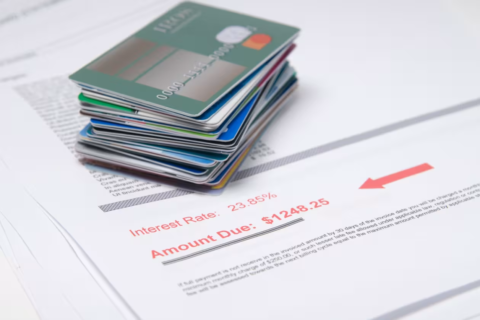
Debts with high interest rates, like credit cards and personal loans, can significantly impact your monthly budget.
Concentrate on clearing these debts first (avalanche method), or tackle smaller debts for motivation (snowball method).
Evaluate if refinancing or consolidating your debts at more favorable rates is beneficial, keeping in mind any extra costs like fees or longer terms.
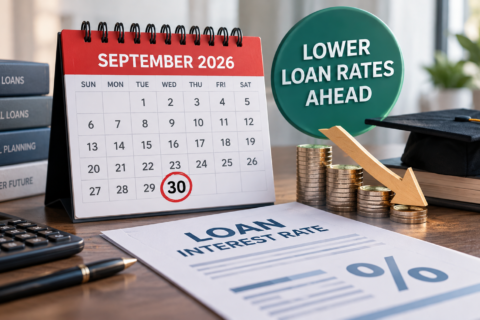
If your mortgage or auto loan carries a high interest rate, think about refinancing, particularly if long-term rates have dropped.
5. Optimize contributions that are tax-deductible for 2025
Utilizing available tax incentives can lead to substantial savings.
If possible, maximize your contributions to tax-advantaged retirement accounts such as a 401(k), IRA, or Roth IRA, and don’t overlook employer matching contributions.
Consider deductible options like Health Savings Accounts (HSA) or similar health-related accounts to lower your taxable income.
If you itemize, think about making charitable donations before the year ends to group your deductions within a single tax year.
6. Revise your investment strategy and risk levels
As the year progresses, it’s a good time to rebalance your portfolio. Reduce holdings that have exceeded your target allocation and increase those that are underrepresented.
If interest rates fall or the market sees more volatility, consider taking a slightly more cautious approach.
Keep liquid assets like short-term bonds or money market funds on hand to ensure cash availability without needing to sell investments at a loss.
Consider exploring asset classes that are less connected to traditional markets, such as REITs, real estate funds, or commodities, to help spread out your risk.
7. Boost Your Credit Score
A strong credit score is a valuable financial tool—it can unlock opportunities and reduce your borrowing expenses.
- Pay your bills promptly.
- Keep credit use under 30%.
- Avoid too many credit applications.
- Review your credit reports for errors.
8. Establish Clear Goals for 2026
While it’s crucial to finish 2025 on a high note, planning for 2026 will give your remaining months a clear purpose.
Set SMART goals (Specific, Measurable, Achievable, Relevant, Time-bound)—for instance: “Save $5,000 for home renovations by September 2026.”
Divide your annual goals into quarterly or monthly targets to keep yourself accountable. Set up automatic savings or investment contributions with your 2026 objectives in mind.
Review your budget quarterly—regular adjustments will help you adapt to unforeseen circumstances.