Loading... Please wait!

Understanding Lifestyle Inflation: Its Definition and How to Prevent It

Grasp the concept of lifestyle inflation and discover strategies to manage the temptation to boost expenses, all while safeguarding your financial well-being.

Making more money should ideally lead to a more enjoyable lifestyle and enhanced financial stability, right? Yet, many individuals discover that despite raises and promotions, their expenses still seem overwhelming.

Has lifestyle inflation ever affected you? Photo by Freepik.

This situation arises from lifestyle inflation, a widespread issue in the U.S. and elsewhere. But what does it really mean, and how can one avoid it?

Understanding Lifestyle Inflation

Lifestyle inflation is the tendency to increase spending as income rises. Instead of saving or investing the extra cash, individuals often splurge on unnecessary luxuries.

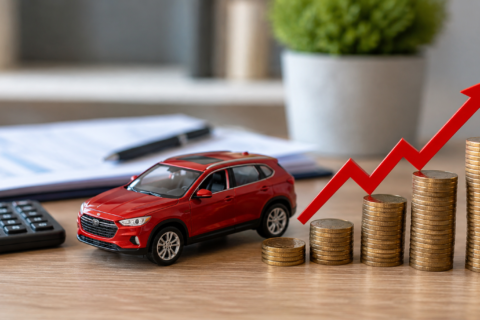
This might involve upgrading to a more luxurious vehicle, dining at fancy restaurants regularly, purchasing high-end fashion, acquiring the latest gadgets, or even moving to a bigger house.

Such habits can leave someone living paycheck to paycheck, despite earning a higher salary, and hinder their ability to establish a secure financial future.

How Lifestyle Inflation Appears

Lifestyle inflation can creep in slowly, often starting with minor choices, such as selecting a more expensive phone plan or adding several streaming subscriptions.

As time goes on, these costs become ingrained in the budget. Here are some typical examples:

  • After receiving a promotion, someone opts to switch from an economical car to a luxury model.
  • A young professional who once cooked at home begins dining out nearly every night.
  • Following a salary bump, a family relocates to a pricier neighborhood, escalating their overall costs.

The challenge is that once these expenses become routine, the quality of life starts to align with the new income level.

Consequently, any future salary hikes only keep the individual trapped in the same financial loop, making it hard to achieve real wealth accumulation.

Effects of Lifestyle Inflation on Financial Health

Over time, lifestyle inflation can seriously jeopardize your financial well-being. Key repercussions include:

  • Insufficient savings and lack of emergency funds
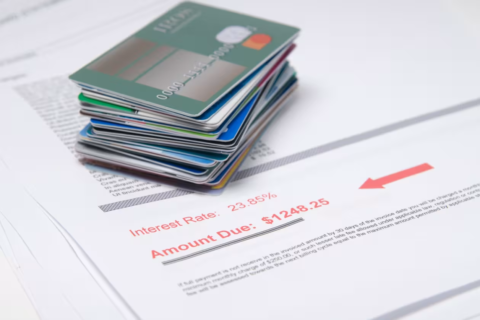
  • Increased debt from maintaining a lavish lifestyle
  • Heightened financial stress to cover costs
  • Reduced retirement savings and other long-term investments

In the U.S., where healthcare and education costs can soar, lacking financial savings can leave individuals exposed to risks.

Ways to Prevent Lifestyle Inflation

To avoid lifestyle inflation, it’s crucial to enhance your quality of life strategically rather than indiscriminately.

Check out these suggestions:

1. Monitor Your Spending

Before you raise your spending, take a closer look at your budget. Tools like Mint, YNAB, and Personal Capital can help you track your expenses and spot any areas of waste.

2. Establish Financial Objectives

Rather than spending your extra funds at once, focus on long-term financial goals. This could involve setting up an emergency fund, eliminating debts, and boosting retirement savings.

Moreover, consider delving into investments and create a diverse portfolio for better returns.

3. Live Within Your Means

An increase in salary doesn’t necessitate a complete lifestyle overhaul. Maintain your existing living standards for a bit and allocate any surplus wisely.

A great guideline is to save at least half of any salary increase before thinking about lifestyle enhancements.

4. Steer Clear of Impulse Buying

It’s tempting to rationalize costly purchases when your income goes up, but this can lead to clutter. Before buying, consider:

  • Is this truly necessary for my life?
  • Am I purchasing this out of need or to show off?
  • Could this cash serve a better purpose in generating future returns?

5. Automate Your Savings and Investments

A great way to make the most of your extra income is by automating your savings.

Initiate automatic deposits to your investment account or savings before splurging on non-essentials.

6. Make Gradual, Planned Improvements

For lifestyle enhancements, take a slow and thoughtful approach. Instead of rushing to buy a luxury car, consider waiting a few years to save for a substantial down payment.

Gradual improvements are often more sustainable than sudden, drastic shifts.

admin
Written by

admin