Loading... Please wait!

Understanding the Key Advantages of Debt Consolidation Loans

A debt consolidation loan may serve as a useful strategy to reduce interest rates on your obligations, yet it’s crucial to grasp all the specifics!

Debt consolidation is a popular financial approach in the U.S. aimed at streamlining payments, lowering interest rates, and alleviating financial burdens.

A debt consolidation loan enables borrowers to merge various debts into one manageable monthly payment, providing significant benefits for those seeking to reorganize their finances.

Learn about the key features of this type of loan. Photo by Freepik.

This article will delve into the key advantages of this loan type and how it serves as an effective tool for regaining financial control.

What Is a Debt Consolidation Loan?

A debt consolidation loan is a credit option crafted to settle multiple existing debts, including credit card debts, personal loans, and various installment accounts.

Instead of juggling multiple monthly payments to various creditors, borrowers can focus on a single payment, often with a reduced interest rate and a set repayment schedule.

1. Simplified Payments

The primary advantage of debt consolidation loans is their simplicity. Handling multiple accounts with varying due dates and interest rates can be overwhelming.

By consolidating debts, you minimize your financial responsibilities to a single monthly payment.

This not only simplifies financial management but also reduces the chances of missed payments, helping you avoid late fees and penalties that could negatively impact your credit score.

2. Lower Interest Rates

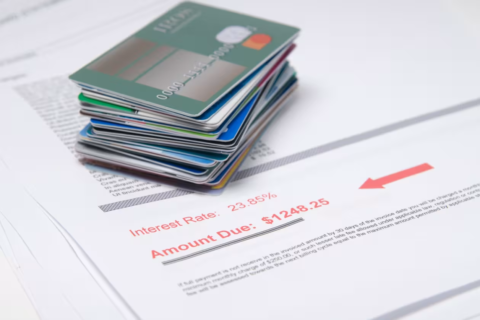
Many debts, especially credit card balances, carry hefty interest rates that often surpass 20% each year.

On the other hand, a debt consolidation loan generally provides a lower interest rate, particularly if you have a solid credit history.

3. Fixed Repayment Term

Unlike revolving debts such as credit cards, consolidation loans come with predetermined terms. This means you’ll have a clear timeline for paying off your debt, making it simpler to organize your finances.

Having a specific term can give you a definite endpoint for your obligations, which helps prevent the endless extension of your debt payments.

4. Enhanced Credit Rating

Consolidating your debts can positively affect your credit rating in various ways. By paying off high credit card balances, you lower your credit utilization ratio, which is vital for your credit score.

Moreover, consistently making payments on your new consolidated loan enhances your credit history, improving your financial standing over time.

5. Less Financial Pressure

Handling multiple debts can be quite stressful, especially when bills begin to accumulate.

A debt consolidation loan can alleviate this stress by streamlining your finances, making it easier to manage multiple due dates and creditors.

With fewer concerns, you can concentrate on other vital areas of your life and strive toward your financial aspirations.

6. Saving Time and Energy

Debt consolidation not only simplifies payments but also cuts down on the time and effort needed to manage multiple accounts.

You’ll no longer have to track various due dates, reducing the chances of mistakes that could lead to extra charges or a negative impact on your credit.

7. Improved Negotiation Power with Creditors

When you consolidate debts, especially with secured credit, you might find opportunities to negotiate better terms with your creditors.

This could mean extended repayment timelines or even reduced interest rates that align with your repayment capacity.

Points to Consider Before Choosing a Debt Consolidation Loan

While the benefits are obvious, there are key considerations to keep in mind before opting for a debt consolidation loan:

  • Financial Discipline: Consolidating debt won’t fix poor spending habits. It’s essential to assess your budget and design a strategy to prevent new debt.
  • Additional Costs: Numerous loans include origination fees and other charges that can raise the total expense. Make sure to thoroughly review the terms.
  • Collateral Risks: In secured loans, such as those involving property, failing to pay back could lead to losing the asset used as security.

Options Beyond Debt Consolidation

If a debt consolidation loan doesn’t suit your needs, there are several other practical options:

  • Debt Management Programs: Nonprofits can help you renegotiate debts and formulate a repayment strategy.
  • Balance Transfers: Certain credit cards provide promotional rates for balance transfers with low or zero interest during an introductory phase.
  • Direct Negotiation: Engage with your creditors to renegotiate terms, interest rates, or payment conditions.
admin
Written by

admin