Analysis of Q3 GDP in the US: Implications of Slower Growth on Loan Rates
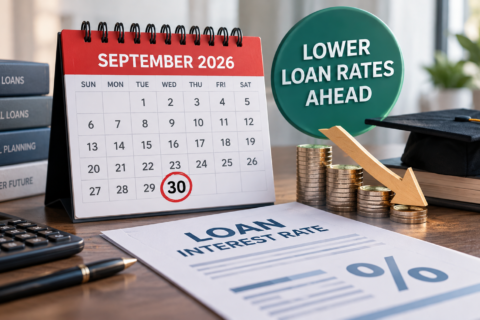
The slowdown in US GDP for Q3 sparks uncertainty regarding potential Fed rate cuts and the future changes in loan and mortgage rates by late 2025.
Q3 GDP Growth Slows — Will Loan Rates Follow?
The U.S. is experiencing an economic slowdown during the third quarter of 2025.
While GDP continues to grow, the reduced pace raises questions regarding its effect on loan interest rates.

For U.S. residents, whether seeking a mortgage, auto loan, or personal loan, these projections hold significant importance.
Economic Landscape: Slower Growth, Not a Recession
U.S. GDP growth projections had already been adjusted downward in 2025. An EY report suggests real GDP growth will be around 1.7% for 2025, dropping to 1.4% in 2026.
Deloitte forecasts 50 basis points in rate reductions by the Federal Reserve by late 2025, but warns that long-term rates may stay high due to inflation expectations.
For the third quarter, “nowcast” models like the Federal Reserve Bank of Atlanta’s GDPNow predict an annualized growth of roughly 3.8%.
Nonetheless, many analysts caution that this estimate may be revised downwards when final data comes in—especially due to high tariffs, political instability, and a weakening job market.
Overall, agencies like S&P Global agree that the U.S. economy is shifting toward moderate growth, impacted negatively by trade policies.
In summary, while a severe recession is unlikely in 2025, Q3 may show weaker performance compared to earlier quarters, indicating a more gradual growth path ahead.
Implications of the Slowdown on Loans
Monetary Policy and Rate Cut Expectations
To curb inflation, the Fed has maintained higher short-term rates. If economic weakness continues, the central bank may begin to lower rates.
As expectations for rate cuts grow, long-term yields—which affect mortgage and auto loan rates—tend to decrease as well.
Spreads and the Yield Curve
Even with a reduced benchmark rate, loan rates usually rely on the gap between short- and long-term rates (the yield curve) and risk premiums (spreads).
If investors perceive a rise in credit risk, spreads for personal, auto, or mortgage loans could remain elevated even after cuts by the Fed.
Risk Aversion and Default Concerns
As economic growth slows, expectations for future income dip, increasing uncertainty about borrowers’ ability to repay loans.
This often results in banks tightening credit standards or raising interest rates to offset the heightened risk.
Banking Liquidity and Competition
In booming economic times, banks strive to win customers with lower rates. However, during downturns, they become cautious, unwilling to reduce margins, and thus limit potential discounts below benchmark rates.
The Situation in the U.S. for 2025
Recently, 30-year mortgage rates in the U.S. have dipped slightly to about 6.30% (down from 6.34%), according to Freddie Mac.
This minor decrease is viewed as a positive sign for the housing market, which has been grappling with historically high rates.
Still, demand for homebuying remains low, as many potential buyers are holding out for even lower rates before finalizing a mortgage.
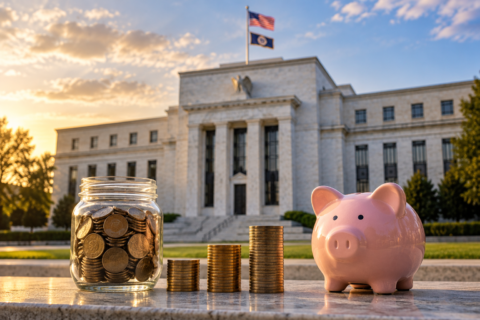
On an institutional level, the Federal Reserve is facing pressure to implement further rate cuts in 2025.
John Williams, the president of the New York Fed, has expressed support for additional cuts, citing the threat of a labor market slowdown.
The OECD also anticipates potential for up to three more rate cuts by mid-2026, provided inflation stays in check.
Looking Ahead: Different Scenarios
Most Likely Scenario
- The Fed makes gradual 25-basis-point cuts in its remaining 2025 meetings, mirroring Deloitte’s forecasts.
- Mortgage and real estate loan rates decrease moderately but stay historically high until 2026.
- The yield curve levels out, leading to slight decreases for mid-term loans (5–10 years).
Optimistic Outlook
- Inflation drops swiftly, allowing the Fed to implement more aggressive rate cuts.
- The economy displays strength, steering clear of a technical recession.
- As credit spreads narrow and perceived risks decline, rates for personal, auto, and mortgage loans decrease significantly.
Pessimistic Outlook
- The economy suffers more than anticipated, with some sectors already in decline.
- The Fed hesitates, worried about reversing inflation gains, causing rates to stay high for longer.
- Rising default rates and widening credit spreads keep loans costly despite mild Fed rate cuts.