Loading... Please wait!

Money Moves to Make During a Job Transition

Learn essential money moves during a job transition to protect your finances, optimize benefits, and plan for long-term stability.

Job Change? Here’s How to Keep Your Investments on Track

A career transition can happen for various reasons: a promotion, relocation, or seeking a role more aligned with your professional goals.

Smart finances make transitions less stressful. Photo by Freepik.

Making the right moves during this phase not only protects your assets but also lays the groundwork for financial stability in the future. Here are some essential strategies.

Assess Your Current Financial Situation

Before accepting a new position or planning lifestyle changes, it’s crucial to understand your financial situation. Ask yourself:

  • What is my emergency fund balance?
  • How much can I save during the transition?
  • Which debts or financial obligations are a priority?

Having a clear overview allows for more strategic decisions, helping avoid unnecessary expenses or financial risks.

Financial Checklist Before a Job Transition

ItemStatusNotes
Emergency fundIdeal: 3 to 6 months of expenses
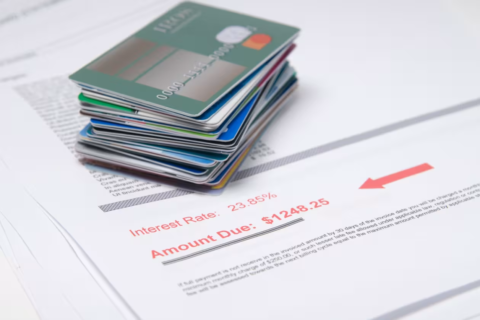
Credit card debtPrioritize high-interest payments
Recurring billsAdjust automatic payments
Existing investmentsEvaluate liquidity and risk
Current benefitsHealth insurance, retirement

Prioritize Your Emergency Fund

Having an emergency fund is crucial during any job transition, especially in a country where expenses like rent, health insurance, and food can be high.

Ideally, you should have 3 to 6 months of essential expenses saved in a liquid account, such as a savings or money market account.

Tip: If the transition involves relocation or periods without income, consider temporarily increasing the fund to 6 to 9 months of expenses.

Review Benefits and Compensation

Each job in the U.S. offers different benefit packages, including health insurance, retirement plans (401k), bonuses, stock options, and other incentives.

During the transition:

  • Compare your current health plan with the new one, considering coverage, copays, and premiums.
  • Evaluate the company’s retirement contributions and how they affect your long-term plan.
  • Understand bonuses, commissions, and stock options.

This analysis helps you make informed decisions about spending and investing during the transition.

Benefits Comparison (Fictional Example)

BenefitCurrent JobNew JobNotes
Health InsuranceHMO, $400/moPPO, $350/moPPO offers more flexibility
401(k) Matching3%5%Increases annual contribution
Annual Bonus$5,000$7,500Paid at year-end
Stock OptionsNoYes, 1,000 unitsRequires vesting period

Adjust Your Budget

During the transition, your budget needs to reflect your new reality. Tips for proper adjustments:

  • Temporarily reduce discretionary spending.
  • Prioritize essential bills: housing, food, transportation, and health insurance.
  • Plan automatic savings for retirement funds or investments.

Example of a Budget During Transition

CategoryBefore TransitionDuring TransitionNotes
Housing$1,800$1,800Rent or mortgage
Food$600$500Cook more at home
Transportation$300$400Gas, Uber, relocation costs
Entertainment$250$100Reduce discretionary spending
Savings/Investments$500$400Prioritize emergency fund

Reevaluate Investments and Retirement

Job transitions can impact retirement plans and investments. Key points:

  • 401(k) and other retirement plans: Consider whether to keep your old plan, transfer it to the new plan, or roll it into an IRA.
  • Liquid investments: Avoid early withdrawals unless there’s an emergency.
  • Diversification: Ensure your portfolio aligns with your goals and risk profile, considering your new career phase.

Protect Your Income and Assets

Insurance is essential for financial stability during transitions. Consider:

  • Health insurance: Maintain continuous coverage to avoid gaps.
  • Life and disability insurance: Check if the new position provides adequate coverage.
  • Property insurance: Update auto, home, or renters insurance if you change your address.

Strategies for Extra Income

While adjusting to a new job, small sources of income can provide additional security:

  • Freelance or temporary online work.
  • Selling items on marketplaces.
  • Participating in cashback or rewards programs.

These strategies can supplement your emergency fund or cover additional expenses during the transition.

Tax Planning

Job changes can affect taxes in the U.S. Key considerations:

  • Adjust your W-4 to avoid incorrect withholding.
  • Check available deductions and credits, especially for moving or education expenses.
  • Plan how bonuses or deferred payments may affect your annual tax return.

Maintain Financial Discipline

Transitions are exciting and full of change, but financial discipline is essential.

  • Review your budget weekly.
  • Avoid impulsive purchases during this period.
  • Continue saving, even if temporarily at a lower rate.

Plan for the Long Term

Even during a transition, maintain a long-term perspective:

  • Keep contributing to retirement accounts and investments.
  • Reassess financial goals and adjust strategies according to your new income and benefits.
  • Use the transition as an opportunity to improve financial literacy and investment knowledge.

Gabriel Gonçalves
Written by

Gabriel Gonçalves