
The Quickest Method to Restore Your Emergency Fund
Rebuilding Your Emergency Cash Fund
For many Americans, restoring an emergency fund has become essential in recent times.
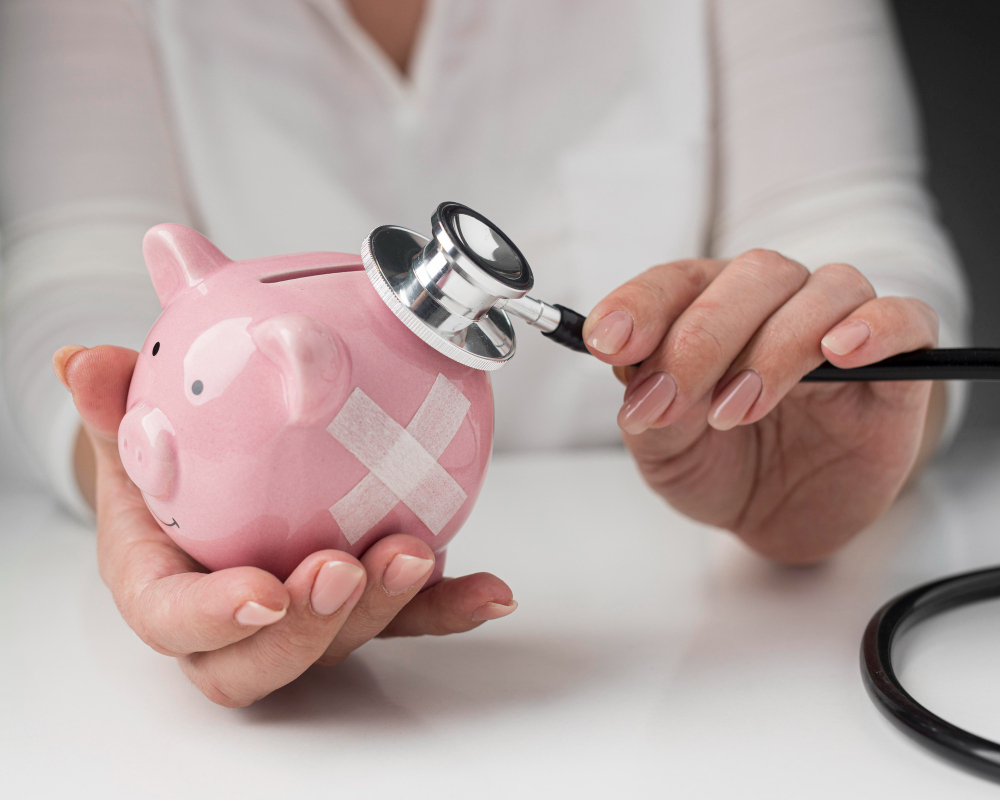
This guide offers a thorough, practical, and well-researched approach to efficiently achieving this goal in the American financial landscape.
Begin with your “Monthly Essential Baseline”
To accelerate the rebuilding process, it’s crucial to understand your true needs.
Costs in the U.S. vary greatly by state and city. For instance, living expenses in New York and San Francisco are significantly higher than in places like Phoenix or Tampa.
Make a list of only the essentials: rent or mortgage, groceries, transportation, utilities, health insurance, medications, essential medical care, and minimum debt payments.
Open a high-yield savings account right away
One common error is keeping your emergency savings in a standard account with minimal returns. High-Yield Savings Accounts (HYSAs) typically offer rates around 4% to 5% annually.
As you rebuild your fund, ensure every dollar works for you. Automatically transfer savings into a HYSA starting from the first month.
Implement the “Savings First Automation” method
The U.S. financial system is excellent for automation. A quick way to rebuild your emergency fund is by using the Pay Yourself First strategy, where you save before spending on anything else.
Effective strategies include:
- Set up automatic transfers from your paycheck to your HYSA.
- Use percentages instead of fixed dollar amounts (e.g., 10% of your net income).
- Gradually increase your savings rate by 1% monthly, up to your budget’s limit.
Reduce variable expenses for 90 days
To rebuild effectively, you need a brief phase of significant adjustments. A common approach among Americans is the 90-Day Austerity Window—this means temporarily cutting out unnecessary expenses.
The best areas to make cuts include subscriptions for streaming, dining out, coffee, impulse purchases online, upgrading devices, and using rideshare services.
Renegotiate debt for better cash flow
Debt with high interest rates can undermine your saving goals. To rebuild quickly, you’ll need to ease this burden. Here are some effective strategies:
0% APR balance transfer cards
Numerous banks provide 0% APR offers for durations ranging from 12 to 21 months, allowing you to redirect funds into your emergency savings.
Personal loans with reduced interest rates
If you have decent credit (FICO over 680), personal loans can offer you lower interest rates and fixed monthly payments.
Negotiate directly with lenders
Some lenders may modify your loan terms without negatively impacting your credit. The aim is straightforward: lower your monthly debt payments to increase available cash.
Quickly monetize your skills in the U.S.
The U.S. offers a thriving environment for side jobs. The booming “side hustle economy” generates billions of dollars and is among the quickest methods to boost your savings.
Some practical options include Uber, Lyft, DoorDash, Instacart, freelance work, pet sitting, dog walking, online tutoring, and selling items on Facebook Marketplace or eBay.
Spend windfalls wisely
Throughout the year, Americans often receive unexpected funds, such as tax refunds, bonuses, overtime pay, accumulated cash back, refunds from purchases, and corporate incentives.
A frequent error is to use this money. The guideline is straightforward: funnel 100% of any unexpected earnings into your emergency fund until it’s fully restored.
Steer clear of risky investments until your fund is complete
It’s common to think about ETFs, cryptocurrencies, or growth stocks to speed up results. However, this can be the greatest misstep for those who haven’t yet rebuilt their emergency reserves. The reasoning is technical:
- Emergencies need quick access to cash.
- Investments come with risk.
- Liquidating at a loss defeats the fund’s purpose.
- Market fluctuations disrupt predictability.
Revamp your budget with zero-based budgeting
The zero-based budgeting approach, commonly used by financial advisors in the U.S., ensures every dollar has a designated purpose. This minimizes waste and speeds up rebuilding efforts.
Catalog all your income and expenses, allocating every dollar to a specific category. This will help you spot inefficiencies and channel any extra funds directly into your emergency reserve.
The quickest route is through discipline—not magic
Rapidly rebuilding an emergency fund in the U.S. isn’t about gimmicks but about a solid plan. An emergency fund serves as both financial and psychological security.
Quickly restoring it not only protects you from the unforeseen but also reinstates financial security and planning ability—crucial in today’s economic landscape.

Related Content
Common Holiday Credit Card Pitfalls
Steer clear of holiday credit card pitfalls and discover practical tips to manage spending, cut down interest, and safeguard your finances.nn
Keep reading * You will be directed to an external website