
Reasons savings rates could start rising once more
Savings rates could be on the upswing once more. Discover how the Federal Reserve's moves impact your finances and tips for finding the best high-yield savings accounts.
Heads up savers: savings rates might be set to rise soon
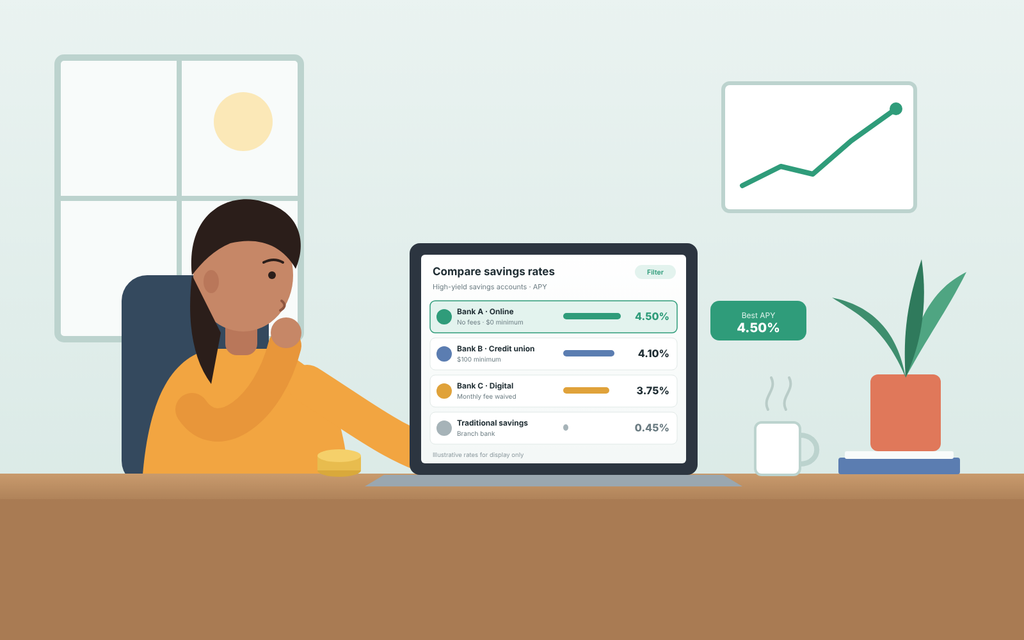
Is your savings account delivering a decent interest return? If you’ve been leaving funds untouched without reviewing your APY, you might be missing out on higher earnings.
Savings rates could rise again in 2026, offering fresh chances for Americans eager to boost their money’s growth.
However, there’s a caveat: higher interest rates don’t necessarily mean every bank will increase what they pay you.
Here’s what to keep in mind before making your next financial decision.
Factors That Could Push Savings Rates Higher
Savings rates are influenced by a variety of elements, such as:
- Federal Reserve policies;
- Inflation levels;
- Bank competition;
- Customer deposit demand.
In September 2026, the Federal Reserve increased its target range to 3.75%–4.00%.
This is important because shifts in market interest rates can impact the rates banks offer savers.
That said, individual banks decide their own interest rates on deposits.
A rise in the Fed’s rates doesn’t necessarily translate into higher APYs for your savings.
How the Federal Reserve’s Upcoming Decision Might Impact You
The Federal Reserve’s meeting on October 27–28, 2026, is a key date for those watching savings rates closely.
According to a Reuters survey released on October 20, most economists expect the Fed to maintain current rates in October, with another hike likely in December.
These are projections, not final decisions.
If rates increase again, some banks might raise their savings yields, while others could keep their APYs the same.
The main point: Keep an eye on your account rather than assuming your bank will boost your rate.
The Impact of Inflation on Your Savings
Higher interest payments don’t always reflect the full picture.
It’s important to factor in inflation as well.
Consumer inflation in the U.S. hit 3.7% year over year in September 2026, as reported by the Associated Press in October.
As prices increase, the buying power of your money declines.
For instance, a savings account with a 0.50% APY won’t keep up with 3.7% inflation before taxes.
Your balance may increase, yet your money could still have less purchasing power than it did a year ago.
Factors That Could Push Savings Rates Upward
There are three main elements to watch closely.
1. Ongoing Inflation Pressure
If inflation stays above the Federal Reserve’s 2% goal, officials might hold interest rates high or even raise them further.
This scenario could prompt some banks to increase their savings rates to stay competitive.
On the other hand, savings rates might fall if inflation drops more quickly than anticipated.
2. Rivalry Among Banks
Banks are competing to attract depositors.
Offering high-yield savings accounts with attractive APYs is one method banks use to draw in new clients.
This means you might earn better returns even if your current bank keeps its rates unchanged.
Compare the following before making a switch:
- Annual percentage yield (APY);
- Monthly charges;
- Minimum balance rules;
- Withdrawal and transfer policies;
- Account eligibility criteria.
Be sure to verify the latest rate on the bank’s official site.
3. Shifts in Banks’ Funding Requirements
Banks don’t always immediately reflect Fed rate changes in their savings rates.
Some banks increase savings rates promptly, while others make gradual changes or keep rates steady.
Variable APYs can also be reduced by banks if market conditions shift.
Don’t wait for your bank’s alert before exploring better rates—keep checking your options often.
What Should You Do If Savings Rates Rise Again?
You don’t have to forecast the Fed’s moves to make your savings work better for you.
Begin by following these five key steps.
1. Verify Your Current APY
Check your savings account details via your bank’s website or app.
Pay attention to:
- Your current APY;
- Any monthly fees;
- Required minimum balances;
- Terms tied to promotional rates.
If your current savings rate is much lower than other offers, figure out how much you could gain by switching accounts.
2. Explore High-Yield Savings Account Options
High-yield savings accounts often provide better interest rates while allowing easy access to your funds.
However, don’t base your choice solely on the advertised APY.
Be sure to review fees, account terms, and any conditions tied to the rates before opening an account.
3. Consider Inflation and Tax Impacts
Your APY doesn’t reflect your actual purchasing power.
For example, if your savings yield 4.35% and inflation runs at 3.7%, your estimated real return before taxes is about 0.65 percentage points, based on the simple difference between these rates.
Your net earnings could be further lowered by taxes.
The IRS typically considers interest earned from bank accounts as taxable income, following applicable tax laws.
4. Get Ready for Holiday Spending
October is the perfect month to reevaluate your budget before holiday shopping and travel costs pile up.
Think about dividing your savings into specific goals such as:
- Unexpected emergencies.
- Holiday-related expenses.
- Monthly household bills.
- Long-term financial goals.
Put funds you’ll need soon into an account that offers easy access.
There’s little point in earning a marginally higher rate if you can’t access your funds when necessary.
Could Savings Rates Drop Instead?
Absolutely. Savings rates might decline even following a stretch of increases.
Should inflation slow and the Federal Reserve lower interest rates, banks could cut the APYs on accounts with variable rates.
Banks may also modify their rates independently, influenced by competition and their funding requirements.
This is why simply going after the highest advertised APY may not always be the smartest move.
Focus instead on the overall benefits the account provides:
- Attractive returns.
- Minimal or no fees.
- Easy access to funds.
- Deposit insurance.
- Transparent terms.
Base your choices on confirmed interest rates rather than speculating on future market moves.
Author’s Opinion
The prospect of savings rates rising is promising, but the real advantage lies in ensuring your money is earning a competitive rate right now.
Many savers keep their funds in the same account for years without ever checking the APY they’re actually earning.
This habit might cost them hundreds of dollars in missed interest earnings over time.
Meanwhile, blindly chasing the highest advertised APY without considering fees or account terms can lead to avoidable headaches.
Here’s my simple advice: check your current APY, compare competing options, and ensure your funds stay accessible when you need them.
You don’t have to guess what the Federal Reserve will do next to make better choices with your savings.
Recommended content
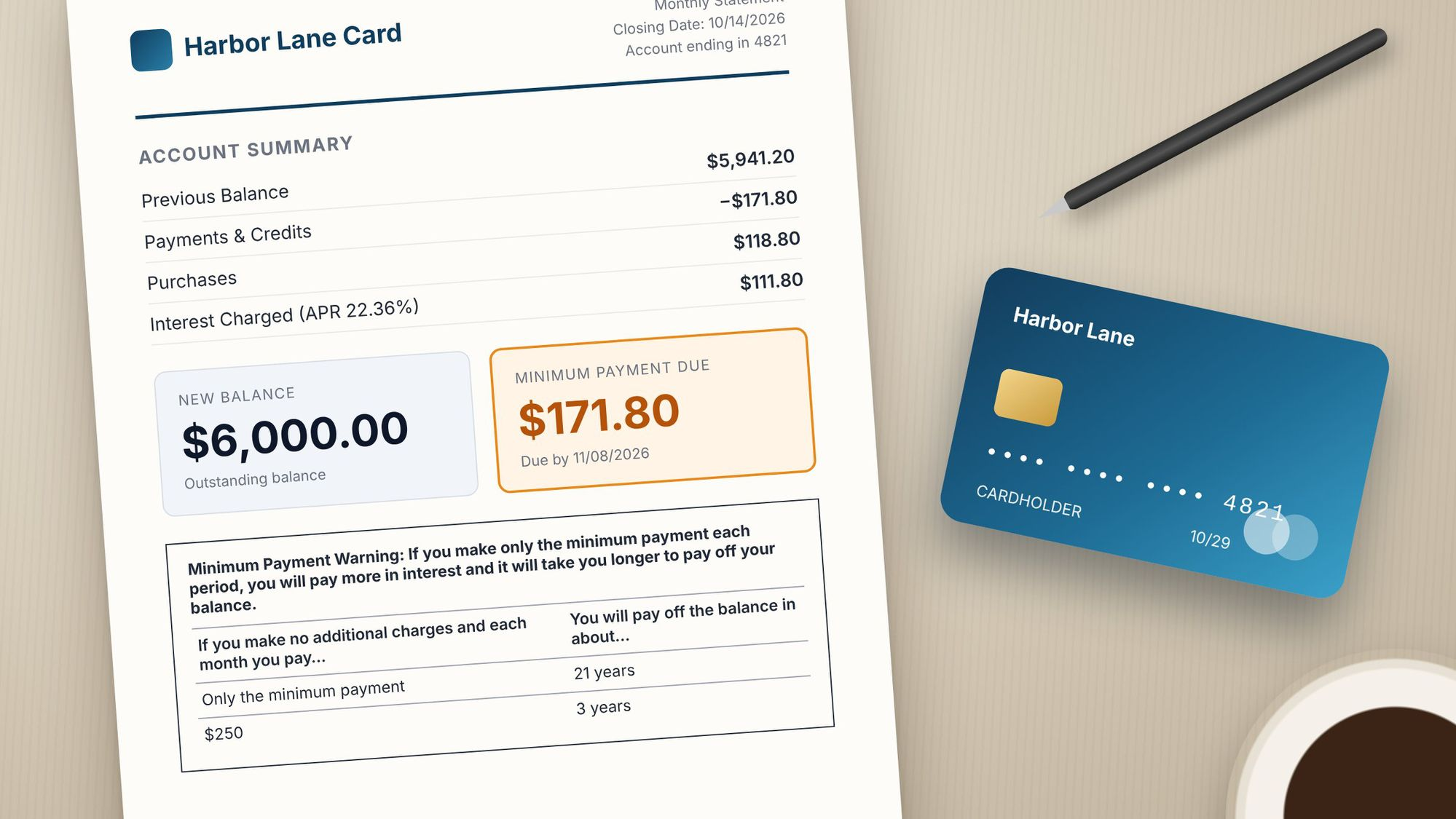
Why your minimum payment
Discover why your minimum payment reduces less credit card debt, how interest affects your balance, and what you can do to pay it off faster.
Continue Reading * You will remain on the current website